
A Call to Action from Bill Gates: Climate Change as a Human Welfare Crisis
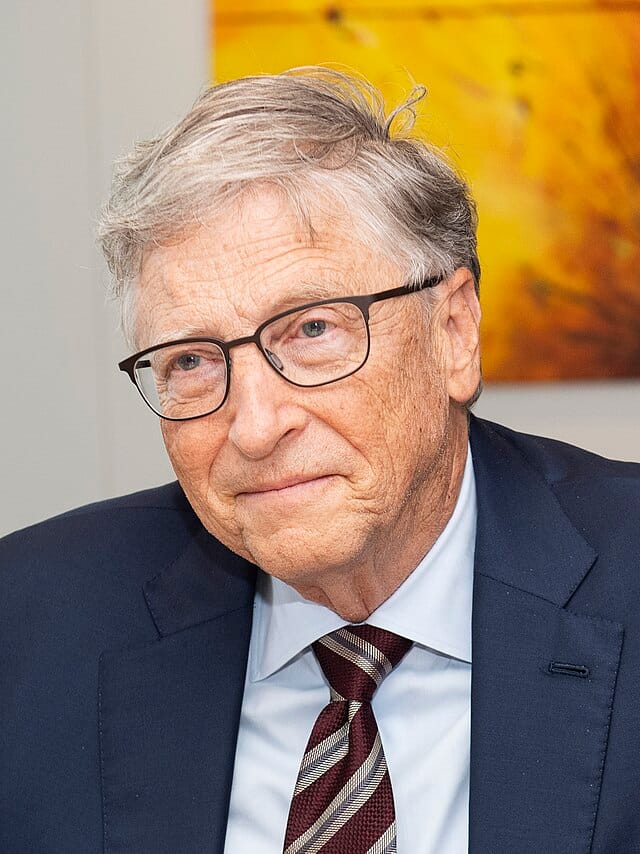
The 30th UN climate change conference (COP30) in Brazil witnessed delegates engaging in vital discussions and calls for action on addressing the increasingly urgent global crisis of climate change. However, amidst this crucial dialogue, a powerful voice has emerged - that of Microsoft cofounder and philanthropist Bill Gates. His recent letter urging a shift in climate policy approach has garnered considerable attention globally, but perhaps not to the same extent within Canada’s own political landscape.
Gates' message is clear: climate change must be framed not just as an environmental problem, but as a crisis fundamentally impacting human welfare. His words carry weight from a position of unique influence and insight. Over the past two decades, Gates' philanthropic endeavors through the Gates Foundation and his venture Breakthrough Energy have dedicated resources to solving some of the world’s most complex challenges – poverty, disease, and climate change. His involvement in these areas has provided him with a clear understanding of human suffering, which he now highlights as critical to tackling climate change.
“It's time to put human welfare at the center of our climate strategies,” he writes, emphasizing the importance of prioritizing solutions that maximize the well-being of individuals above all else. His observations are backed by concrete evidence: extreme heat-related deaths have been reduced significantly thanks to advancements in air conditioning technology and robust building materials, demonstrating a tangible impact on human lives.
Gates' message extends beyond statistics; he urges governments to prioritize investing in human welfare through climate change initiatives. He argues that traditional approaches, often focused solely on environmental impacts, are insufficient in addressing the complex ramifications of this crisis. Instead, we need a systematic approach, one where climate interventions serve as a tool for enhancing human wellbeing.
Canada, while a leading contributor to global efforts in tackling climate change, faces scrutiny for its approach to allocating resources and prioritizing welfare-enhancing strategies. Recent reports reveal a lack of transparency regarding the actual impact of climate funding initiatives, raising concerns about their effectiveness in generating tangible positive outcomes. This raises questions about Canada's commitment to achieving genuine human welfare benefits through climate action.
Gates’ call for a strategic shift highlights an opportunity for Canadian leaders to re-evaluate their approach. By investing in clean technologies with demonstrable impact on human well-being, by rigorously measuring the results of these investments, and by prioritizing projects that address poverty and disease alongside environmental concerns, Canada can demonstrate a true commitment to climate change as a human welfare crisis.
His perspective serves as a clarion call for action, emphasizing the need to move away from solely addressing environmental challenges and towards a more holistic approach that prioritizes people first. By understanding how climate change affects our lives on a fundamental level, we can harness its potential to build a safer and more equitable future for everyone.


