
A State Visit Rewritten: Khashoggi's Shadow Looms Over Trump and Prince Bin Salman
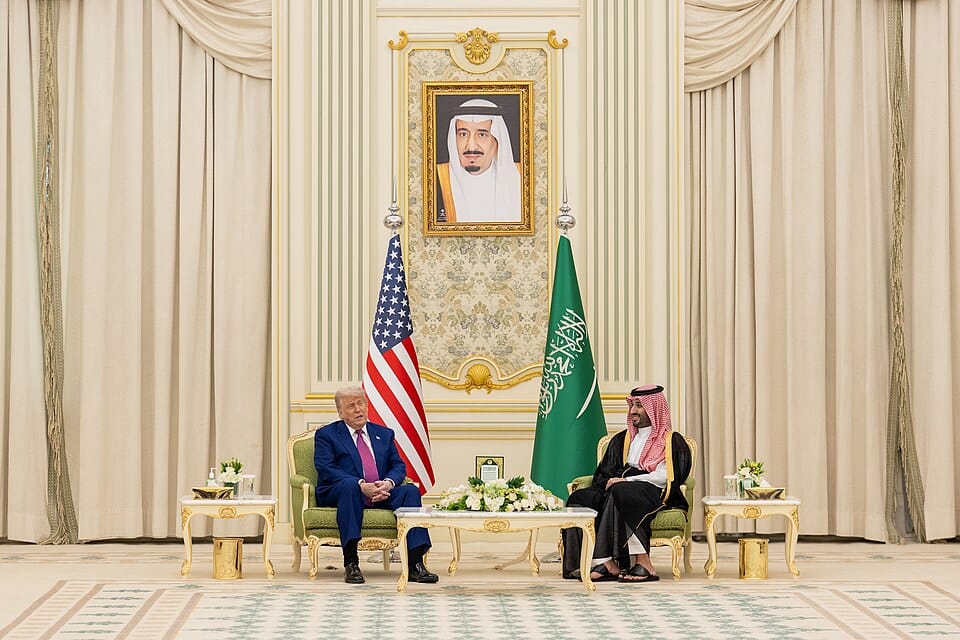
President Donald Trump once again navigated a treacherous path when it came to discussing Jamal Khashoggi's murder, dismissing questions about the journalist’s assassination with casual dismissiveness. His visit with Saudi Crown Prince Mohammed bin Salman (MBS) was a testament to the enduring complexities of US-Saudi relations. A high-profile state visit where Trump greeted MBS with pomp and circumstance, only to face direct confrontation on a matter shrouded in controversy.
The White House stage was set for a display of opulent diplomacy – a black-tie dinner, a flyover of sleek F-35 fighter jets, and an aura of newfound closeness between the two leaders. Yet, this show of unity seemed to be overshadowed by the shadow cast by Khashoggi’s killing, which continues to hang over Trump’s administration.
Trump's response, characterized by his defiant dismissal of any connection to MBS' role in Khashoggi's murder, highlighted a starkly contradictory reality. While he touted Saudi investments and new defense agreements as evidence of a flourishing relationship, he also refused to acknowledge the weight of this tragic event.
“You’re mentioning somebody that was extremely controversial. A lot of people didn’t like that gentleman that you’re talking about. Whether you liked him or didn’t like him, things happen,” Trump stated in the Oval Office, seemingly using Khashoggi's assassination as a political tool for strategic engagement rather than a moment for solemn reflection.
MBS, meanwhile, remained guarded and diplomatic. His public statements offered a calculated attempt to navigate both the demands of the US administration and his country’s own complex interests. He acknowledged the pain caused by Khashoggi’s death but emphasized Saudi Arabia's commitment to finding justice, a sentiment that echoed the kingdom’s attempts at self-promotion in an attempt to control the narrative.
The crown prince’s stance was not without its complexities. While he highlighted his country's efforts for reform and its commitment to peace, his public pronouncements lacked a forceful condemnation of the murder that continues to haunt their relationship with the US. In particular, his refusal to commit to increasing investment in a Palestinian state or providing aid for Gaza reconstruction highlights the continued challenges facing both sides as they navigate a path towards greater diplomatic harmony.
Khashoggi's widow responded forcefully to Trump’s dismissal of her husband’s assassination, rejecting any attempts to justify it as acceptable political strategy. “This is not justification to murder him,” Hanan Elatr Khashoggi wrote in a statement. “Jamal was a good transparent and brave man.” Her words served as a poignant reminder that the human cost of this ongoing story must be at the forefront.
Trump's attempts to move forward with this complex relationship were met with skepticism from both sides. His pursuit of closer ties with Saudi Arabia, exemplified by his desire to sell American-made fighter jets and secure new investment deals, has drawn accusations of a blatant disregard for human rights violations and ethical standards.
The lingering controversy over Khashoggi's murder continues to cast a long shadow on the future of US-Saudi relations. While Trump seeks to solidify a strategic partnership with MBS, his attempts at political expediency are likely to continue clashing with the pursuit of justice for this tragic loss. The delicate dance between diplomacy and moral imperative will continue to shape the trajectory of US-Saudi relations in the years to come.


