
Adapting to a Changing Climate: The Future of Agricultural Resilience in the Midwest
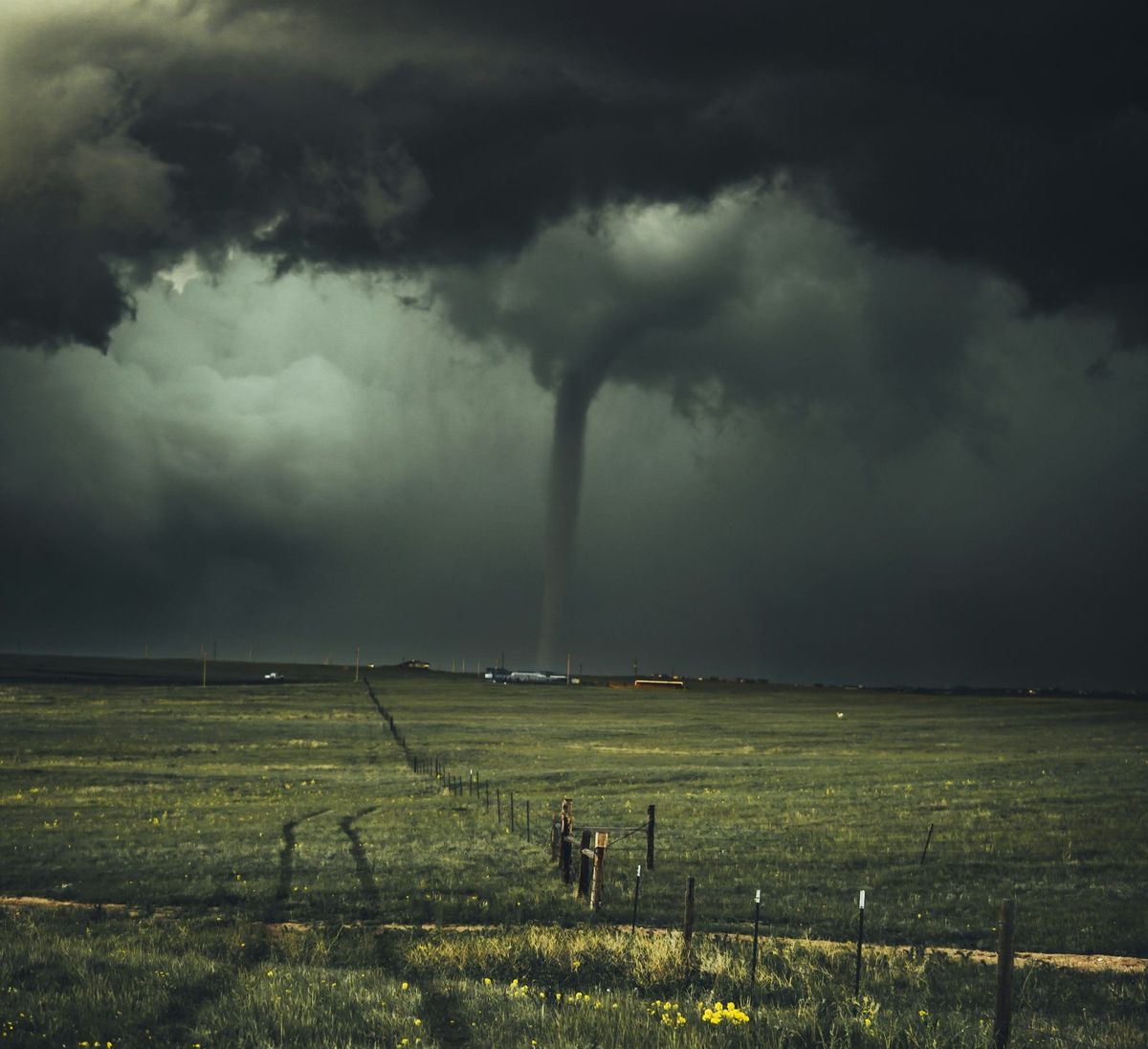
The agricultural landscape of the Midwest is undergoing a significant transformation, marked by increasingly unpredictable and extreme weather patterns. Farmers like Jessica Krupicka of Heritage Hill Farm in Ames, Iowa, are experiencing firsthand the challenges posed by heavier downpours and more erratic temperature swings. These shifts necessitate constant adaptation, from selecting more resilient crop varieties to implementing advanced irrigation techniques like drip systems and utilizing protective structures such as high tunnels. Krupicka notes the growing need for nimbleness, anticipating a point where certain crops may become unsustainable to grow in the region.
The impact of these climatic changes is not isolated to individual farms. A 2023 survey conducted by Iowa State University reveals that nearly 80% of farmers recognize the reality of climate change, a significant increase from 68% in 2011. To address these evolving risks and support adaptation strategies, the U.S. Department of Agriculture (USDA) established a network of regional “Climate Hubs” in 2014. These hubs serve as vital conduits for information sharing, connecting scientists, producers, and researchers across state lines. They provide crucial data and support for developing and implementing climate-smart agricultural practices.
However, the future of these critical Climate Hubs is currently uncertain. As part of President Trump’s 2026 USDA budget proposal, the administration has proposed terminating over $145 million in discretionary funding allocated to the 11 Climate Hubs and related climate science research. This move has also been reflected in the recently passed congressional spending package, which includes cuts to the hubs’ funding. The precise financial implications of these cuts remain unclear, as discretionary funds are allocated by USDA agencies based on administrative priorities.
The Climate Hubs, which have seen their annual funding grow to approximately $30 million, operate through a collaborative network of USDA agencies. This decentralized funding structure has allowed the hubs to effectively translate complex climate data from organizations like NOAA and NASA into actionable information for farmers, ranchers, and forest landowners. Julian Reyes, the former national coordinator for the Climate Hubs, emphasizes the crucial role these hubs play in bridging the gap between scientific research and practical application.
The potential elimination of these hubs is viewed by many as a significant loss for the agricultural community. Illinois State Climatologist Trent Ford highlights the importance of regional coordination, noting that weather and climate impacts do not respect state boundaries. The Midwest Climate Hub, for instance, facilitates monthly meetings among state climatologists, USDA and university researchers, and extension staff to share information and develop coordinated messaging. This collaborative approach is essential for addressing regional challenges, such as the increasing frequency of extreme precipitation events – which have risen by 1.6 days per year between 1979 and 2021, according to a report by the Climate Change Impacts on Iowa Agriculture.
Missouri State Climatologist Zachary Leaor underscores the practical value of the Climate Hubs, stating that they have facilitated connections and provided actionable information to agricultural producers in his state. Reports developed through the hubs offer specific guidance on adaptation strategies, such as utilizing cover crops to improve water absorption and employing alternative mulching methods to regulate soil temperature. The elimination of these resources would weaken this vital network, leaving farmers less equipped to navigate the challenges of a changing climate.
Source:


