Measles Outbreaks Spark Urgent Calls for Vaccination Amidst Policy Shifts and Public Distrust

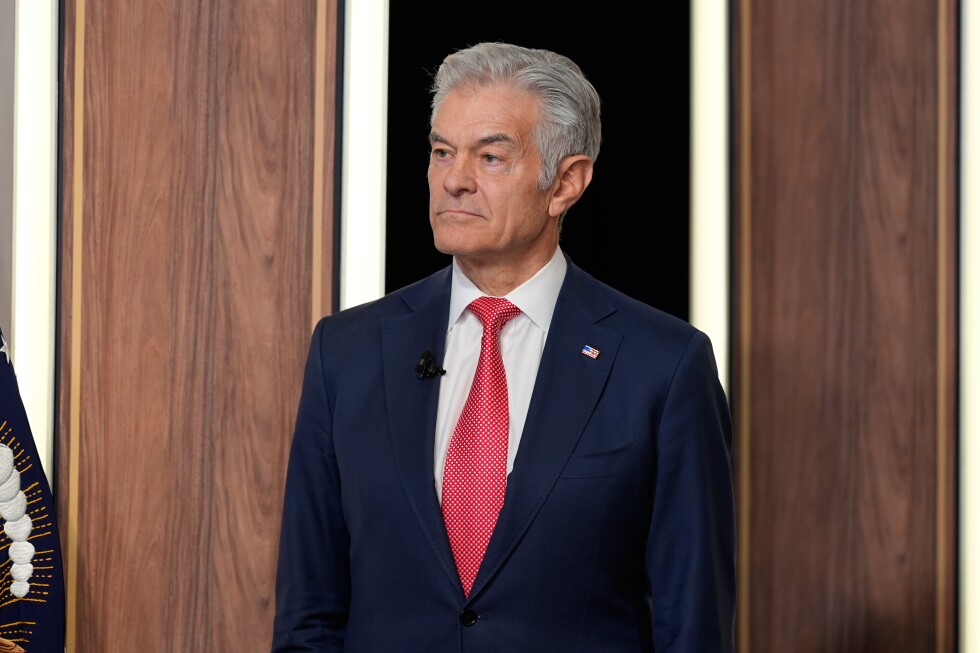
A surge in measles outbreaks across multiple states in the United States has prompted a renewed urgency from health officials to encourage vaccination, particularly as the nation faces the potential loss of its measles elimination status. Dr. Mehmet Oz, administrator of the Centers for Medicare and Medicaid Services, issued a strong plea for individuals to receive the measles vaccine, stating, “Take the vaccine, please. We have a solution.” This statement comes as measles cases have surpassed previous totals in some areas, including a significant outbreak in South Carolina that has exceeded the case count in Texas’ 2025 outbreak, with similar incidents reported on the Utah-Arizona border and in other states.
Public health experts attribute the resurgence of measles, primarily impacting children, to a growing distrust in vaccines. This skepticism is compounded by recent shifts in federal vaccine recommendations initiated by the Republican administration, responding to a request from President Donald Trump to review vaccination guidelines in peer nations. The Department of Health and Human Services has indicated these reviews are underway.
Dr. Oz emphasized the continued coverage of the measles vaccine under Medicare and Medicaid, assuring Americans of uninterrupted access. He also highlighted the support of Secretary of Health and Human Services Robert F. Kennedy Jr., stating that Kennedy has long advocated for measles vaccination. However, this statement occurs amidst scrutiny of Kennedy’s past stance on vaccines, particularly his involvement with the anti-vaccine advocacy group Children’s Health Defense and his actions during a 2019 trip to Samoa. Documents reveal Kennedy sought meetings with Samoan officials prior to a devastating measles outbreak in the country, raising questions about the potential influence of his past advocacy on current public health guidance.
The Trump administration’s decision to overhaul the traditional vaccine schedule, a move supported by the Department of Health and Human Services, has also drawn criticism. While states retain the authority to mandate vaccinations for school children, some are exploring independent measures to counter the federal administration’s guidance. This policy shift occurs against a backdrop of declining vaccination rates in the U.S., with a record high number of children receiving vaccine exemptions.
The debate surrounding vaccine efficacy and safety has been a recurring theme during the pandemic, with long-time anti-vaccine activists gaining traction. Critics of Secretary Kennedy have voiced concerns that his historical skepticism regarding vaccine recommendations, including past claims about a link between vaccines and autism, could be influencing current public health policy. While Kennedy has stated that his past trip to Samoa had “nothing to do with vaccines,” evidence suggests otherwise, with his actions potentially bolstering anti-vaccine sentiment before the Samoan measles outbreak.
Despite assurances from officials like Dr. Oz that no barriers will exist to accessing the measles vaccine, the current situation underscores the ongoing challenge of maintaining public health through vaccination and the complexities arising from political influences and public distrust. The administration’s actions and statements, while framed as a review of international practices, have been met with concern by medical experts who emphasize the well-established safety and efficacy of vaccines.
Source:
 MATT BROWN