
Miller Accuses Democrats of "Insurrection" as Lawmakers Urge Troops to Resist Illegal Orders
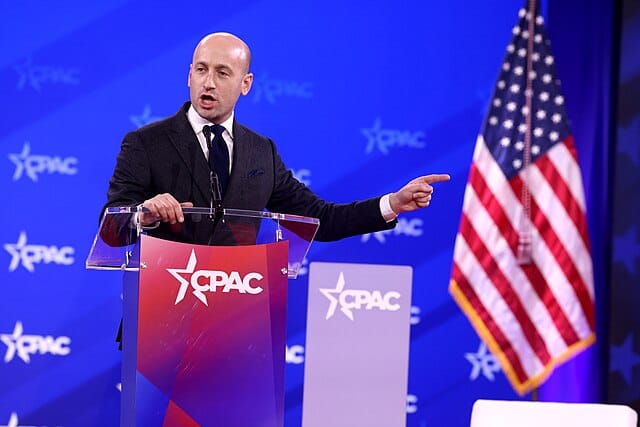
The political landscape has been thrown into sharp focus following a heated exchange sparked by a video released by six Democratic lawmakers urging the military and intelligence officers to refuse illegal commands from President Trump. The incident, marked by fiery rhetoric and accusations of insurrection, highlights the ongoing tension surrounding executive power and its impact on national security within the United States.
Stephen Miller, Deputy White House Chief of Staff under former President Donald Trump, has launched a scathing attack against these lawmakers, labelling their message as a "general call for rebellion" that amounts to “insurrection.” The accusation came after the six lawmakers – all with backgrounds in military or intelligence service – issued a video warning troops about potentially illegal orders from the President.
The crux of Miller's argument is the lack of specific examples of unlawful commands he believes these lawmakers intend to defy, arguing this creates a slippery slope towards undermining national security by inciting rebellion. He demanded immediate resignation, claiming these individuals have failed to uphold their oath and "should be held accountable" for jeopardizing American law and order.
The video, which garnered attention from both sides of the political spectrum, centers on the principle of military loyalty and adherence to constitutional law. It emphasizes that officers are bound by the Uniform Code of Military Justice (UCMJ), a legal framework safeguarding against unauthorized actions that violate U.S. law or the Constitution. The lawmakers’ message has generated strong reactions, with some supporting their stance while others condemn it as an attempt to undermine the authority of the President and spark instability within the military ranks.
Deputy Attorney General Todd Blanche, formerly Trump's personal attorney, defended the president's actions, stating that he was acting in accordance with his campaign promises. Blanche dismissed Miller's claims of "insurrection," claiming the video represents a politically motivated attempt to fuel outrage against Democrats and distract from ongoing investigations.
Blanche emphasized that the Department of Justice will closely scrutinize potential violations of law by these lawmakers, suggesting their actions may be subject to legal action. He echoed Miller’s sentiments by accusing Democrats of adopting “Third World” tactics with an agenda aimed at securing power over undermining democratic processes and established institutions.
The response from both sides highlights the deep political divisions within the country, further exacerbated by a series of contentious events surrounding immigration policy, national security measures, and President Trump's approach to governing. The video released by the lawmakers has become a focal point for those seeking clarity on the role of the military and its commitment to upholding the Constitution, highlighting the importance of navigating complex issues with careful consideration and adherence to established legal frameworks.
This incident has sparked intense debate around the proper balance between presidential power and individual liberty, raising questions about the future of American governance in an era marked by increasing polarization. The unfolding situation promises further scrutiny and analysis as both parties continue to grapple with the meaning of these actions.
The Impact on the Political Landscape
The case presents a stark contrast between political ideologies:
- Miller's Perspective: Advocates for strong leadership, emphasizing the importance of national security and upholding the President's authority within legal boundaries. He believes that Democrats are acting irresponsibly by challenging the government's right to conduct its business.
- Lawmakers' Perspective: Focuses on protecting individual rights and constitutional safeguards within the military structure. They believe that their message is a reminder of the importance of following UCMJ guidelines and resisting unlawful commands from any authority, including the President.
A Look at the Larger Context
This incident highlights several key issues currently impacting the political landscape:
- Presidential Power: The power dynamics within the presidency continue to be a source of debate, with different perspectives on how much authority the president should wield and what limits that authority should have.
- Military Loyalty: This case raises the question of military loyalty and obedience to constitutional law versus adherence to political pressure. It highlights the delicate balance between respecting individual rights while ensuring national security and upholding the legal framework governing the armed forces.
- Political Polarization: The clash between these viewpoints underscores a growing trend in political polarization across various segments of American society, creating further divisions and complicating efforts for constructive solutions.
Looking Ahead
This incident raises crucial questions about the role of law and order within the United States. It highlights the importance of clear communication from public officials and responsible engagement with constitutional frameworks to address complex issues while preserving a stable and secure nation-state.


