
Senator Kelly Faces Pentagon Investigation Amidst Lawmakers' Call for Defiance of 'Illegal Orders'
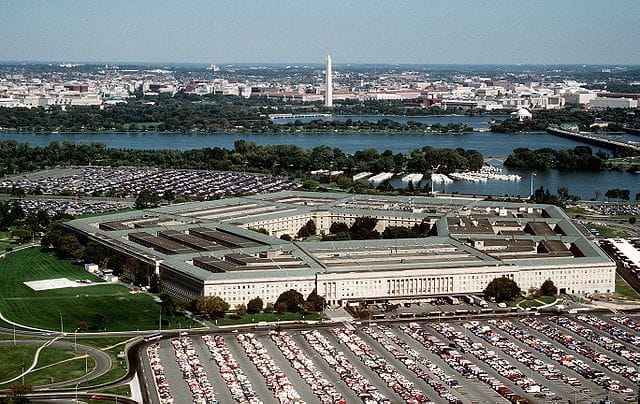
In a dramatic turn of events, the United States Pentagon has announced an investigation into Democratic Senator Mark Kelly of Arizona, who was among six lawmakers to urge service members to defy “illegal orders.” This unprecedented move underscores the potential conflict between political advocacy and military discipline, raising crucial questions about the limits of Congressional power. The Pentagon's statement suggests a direct confrontation with this issue, potentially altering the landscape of congressional-military relations.
A Legal Minefield:
Kelly’s actions ignited a contentious debate about the balance of power within the US armed forces. The Pentagon has invoked a federal law allowing retired service members to be recalled for possible court martial, citing their role in the video urging troops to defy potentially unlawful orders. This legal precedent is highly significant, as it creates a potential conflict between political expression and military discipline.
The investigation is unprecedented in its direct threat against a sitting member of Congress who has not been accused of wrongdoing, and marks a stark shift from past Pentagon practices. In recent years, the organization has generally avoided publicly taking sides in political controversies or engaging with politicians on matters directly concerning the military.
A Controversial Video:
Senator Kelly’s remarks came amidst growing concerns over President Trump's administration and its policies on both foreign affairs and domestic security. The video, which was released last week, highlighted the potential for clashing values between service members and those in political office.
Kelly’s statement reflected a commitment to uphold the Constitution as he addressed troops directly, urging them to resist unlawful orders and prioritize their legal obligations. The other lawmakers included in this call to action represent an emerging cohort of politicians with experience within military structures. Their decision to publicly challenge the military hierarchy has ignited significant debate within political circles.
A Divided Response:
The Pentagon’s actions have been met with diverse reactions, further highlighting the complexities surrounding this situation:
- Defense Secretary Pete Hegseth: He emphasized that Kelly's conduct had brought "discredit" upon the armed forces and pledged to address the situation appropriately.
- Senator Schumer & Other Democrats: They defended Senator Kelly’s actions, accusing Trump of using the Pentagon as a tool for political warfare. This suggests a clear division between political factions in this matter.
- Trump's Social Media: President Trump reacted directly on social media, accusing those who participated in the video of "sedition" and claiming they would face legal consequences.
Legal Perspective: A Complex Web of Rights and Responsibilities
The Pentagon’s investigation carries significant weight due to Kelly’s status as a former Navy pilot and Senator, placing him under their jurisdiction. This situation has prompted discussion about the legal implications for retired service members, prompting questions about the boundaries of their authority after leaving the military.
Legal scholars have observed that such investigations are not uncommon in recent years. The practice has been challenged in court, with differing opinions on its constitutionality and legality. However, this case is particularly complex due to the political climate surrounding it.
Military Obligation vs. Political Advocacy:
This investigation raises critical questions about the delicate balance between military discipline and Congressional advocacy, highlighting the complexities of defending both in a rapidly changing political landscape.
The Pentagon’s decision to engage with such a politically charged situation underscores the ongoing tension between executive branch power and civilian oversight in defense matters.
Ongoing Debate:
This unprecedented investigation will likely continue to spark discussions about the relationship between government, military, and elected officials. The outcome of this case could have significant implications for future legal proceedings involving members of Congress and their engagement with sensitive military matters.
It also raises questions about the role of Congress in challenging executive orders and navigating the intricate interplay between political action and military discipline. This delicate balance is a crucial aspect of American governance, especially during times of heightened public scrutiny.
The investigation into Senator Kelly remains unresolved as of this writing, highlighting the need for further exploration into the legal implications of this situation.
It underscores the enduring importance of navigating these complex issues with both nuance and transparency to ensure an effective and accountable military.


