The Algorithmic Promise and Peril: AI Takes Center Stage at the Super Bowl

The recent Super Bowl broadcast was not only a showcase of athletic prowess but also a significant platform for the burgeoning field of artificial intelligence. Numerous commercials prominently featured AI technologies, offering a glimpse into a future where algorithms are increasingly integrated into our daily lives. However, the pervasive presence of AI in advertising raises fundamental questions about our relationship with technology and the potential trade-offs between convenience and human agency.
Many of the commercials positioned AI as a solution to everyday problems, promising seamless efficiency and effortless experiences. One notable example was a spot showcasing how AI could design and build a house, highlighting the potential for automation to streamline complex processes. Similarly, some advertisements emphasized AI's ability to enhance creative endeavors, with AI-powered video generation tools demonstrated as a way to rapidly produce high-quality content.
However, a closer examination reveals a potential undercurrent of unease within these seemingly optimistic portrayals. Several brands attempted to address the inherent risks associated with over-reliance on artificial intelligence. Sazerac, a beverage company, explicitly framed its AI-generated commercial as a commentary on the importance of human connection and creativity, suggesting that excessive automation could diminish these essential aspects of life. Volkswagen’s return to its iconic “Drivers Wanted” campaign served as a direct counterpoint to the pervasive theme of automation, emphasizing the value of human control and experience.
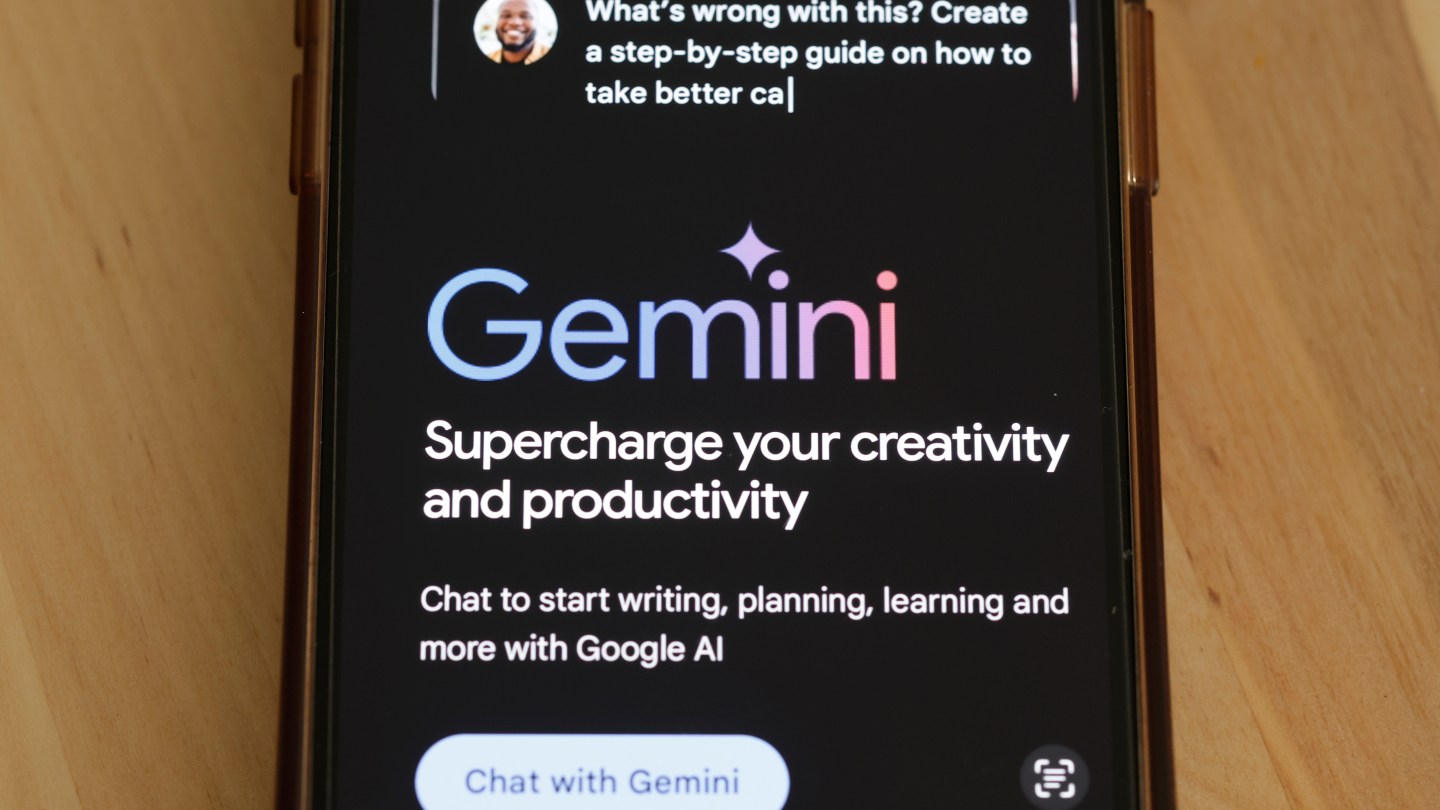
Interestingly, some of the most effective AI-related commercials subtly acknowledged the uncanny valley and the potential for technological mishaps. The use of de-aging technology in a comedic sketch, while visually impressive, also hinted at the artificiality of these advancements. The choice of a nostalgic song by Randy Newman to underscore Google’s AI capabilities was a particularly ironic move, drawing on a distinctly human artistic expression to promote a technology often perceived as detached from human emotion.
The reactions to these commercials were largely critical, with many viewers expressing skepticism about the promises made by the brands. This skepticism reflects a growing awareness of the potential downsides of unchecked technological advancement, fueled by concerns about deepfakes, social media manipulation, and the erosion of human skills. The fact that many viewers commented on the ads, often with critical remarks, suggests that the brands’ attempts to normalize AI were not entirely successful.
Despite the prevalent optimism surrounding AI, some brands made a conscious effort to respect human intelligence and agency. The Volkswagen ad, for instance, celebrated the simple joys of human interaction and the pleasure of personal control, offering a refreshing contrast to the automated world depicted in many other commercials. Similarly, the AI video generation tool, Artlist.io, positioned its technology as a means to enhance human creativity rather than replace it.
Ultimately, the Super Bowl advertising landscape revealed a complex and often contradictory view of artificial intelligence. While many brands sought to portray AI as a force for progress and convenience, others subtly acknowledged the potential risks and emphasized the enduring value of human qualities. The success of these commercials, or lack thereof, suggests that audiences are increasingly discerning and wary of uncritical technological promotion. The ongoing debate surrounding AI, as reflected in the Super Bowl ads, underscores the need for a thoughtful and nuanced discussion about the role of technology in shaping our future.
Source:
 Steven Zeitchik