
The Earth's Hidden Carbon Sink: A Voyage to Discover the Ocean Floor’s Secrets
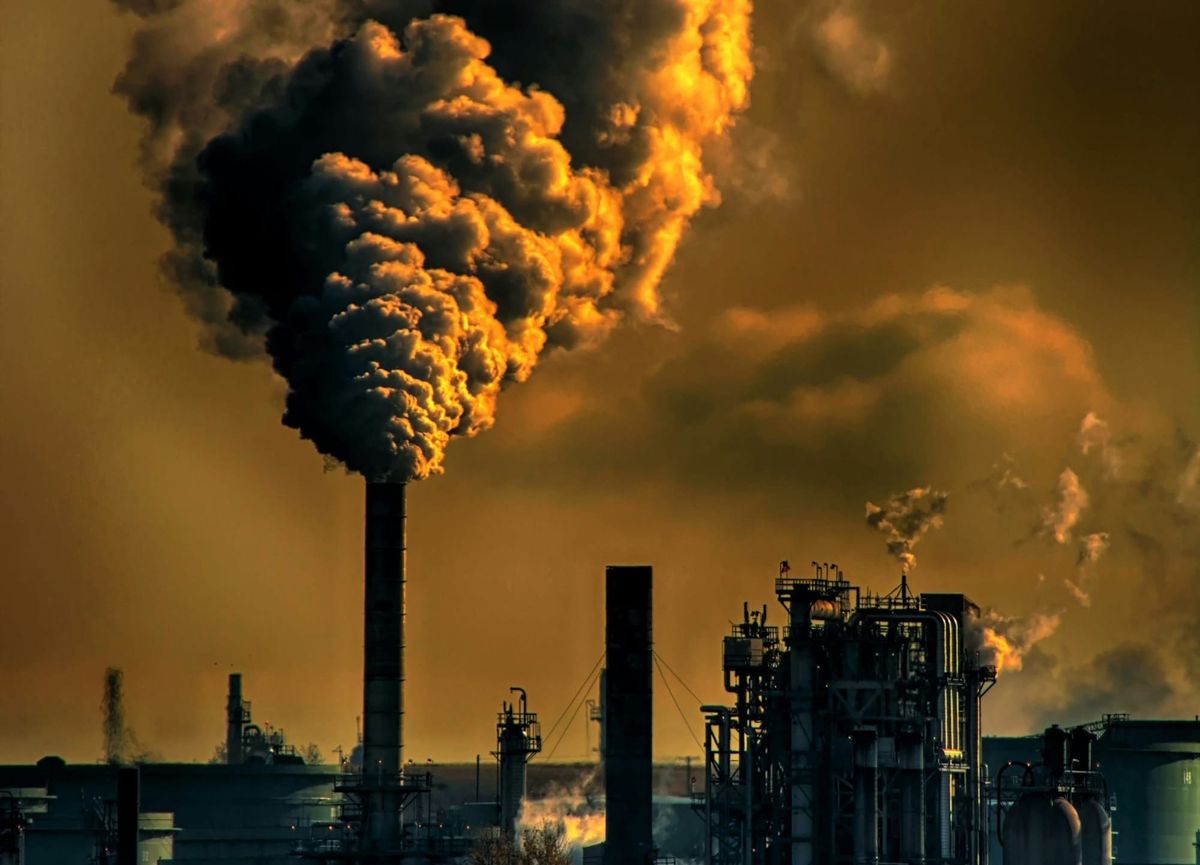
The ocean floor – a vast expanse beneath our feet – is more than just a silent backdrop for the drama of human life. Beneath its seemingly calm surface lies an intricate world of volcanic activity, tectonic shifts, and an active chemical exchange between Earth's crust and oceans. This hidden ecosystem plays a vital role in regulating our planet’s climate.
A team of scientists set out on a daring journey to unravel these secrets, their goal being to understand how carbon is absorbed from seawater into the oceanic crust, a process known as hydrothermal cycling. Their endeavor took them across vast stretches of open ocean and deep into the Earth's mantle, where temperatures soared and pressures intensified.
A History Written in Stone: Exploring the Ocean Floor’s Secrets
The team embarked on an expedition aboard the research vessel R/V Atlantis, a technological marvel designed to navigate the treacherous waters of the Atlantic Ocean, aiming to drill into the Earth's crust and understand how it interacts with seawater. Their mission was driven by decades of scientific research, revealing that the ocean floor is a crucial storehouse for carbon – a hidden reservoir holding the key to understanding our planet’s long-term climate stability.
For years, scientists have known about this chemical exchange between the crust and oceans. The process of volcanic activity at mid-ocean ridges generates magma that melts into seawater. This molten rock then cools down and solidifies, releasing trapped carbon dioxide in the form of calcium carbonate (CaCO3), forming a valuable sink for CO2.
However, it is still unclear exactly how much carbon is absorbed by this oceanic crust, its duration, and the scale of these exchanges over geological timescales. The team’s journey was not just about collecting samples; it was about understanding these processes in their entirety.
Drilling Through Time: Unveiling the Secrets of the Ocean Floor
The expedition's success hinged on a meticulous process known as ocean drilling. Scientists carefully drilled through layers of sediment, rock formations, and volcanic flows to reach the oceanic crust beneath. Every core sample became a window into the past – providing clues about how this crucial carbon sink was formed over millions of years.
The Unexpected Discovery: Breccia as a Carbon Sink
As they explored further, they encountered something unexpected: a type of rock formation known as "breccia." Breccia is created when volcanic lava flows cool and solidify, often forming angular fragments that are cemented together with minerals like calcite. But this breccia was more than just a geological anomaly; it served as a hidden carbon sink.
Their analyses revealed that these breccias were teeming with carbonate cement – a vital component in the process of absorbing CO2 from seawater.
The study highlighted an important finding: the rate of carbon absorption by breccia significantly impacts global geochemical cycles, offering new insights into the ocean's role in regulating climate change over long periods.
Unveiling the Future: A New Understanding of Earth’s Carbon Cycle
This expedition was more than just a scientific adventure; it provided crucial information about how carbon is stored and released across the planet. By understanding these processes, scientists can develop more accurate models of our planet's climate, leading to better predictions of global warming and potential solutions for mitigating its impact.
The team’s findings mark a turning point in our understanding of Earth’s carbon cycle. Their discoveries highlight the ocean’s role as a vital part of the planet's natural systems and underscore the importance of protecting our oceans for generations to come.
Source:


