
The Judge Dismisses Comey and James Indictments: A Victory For Legal Process
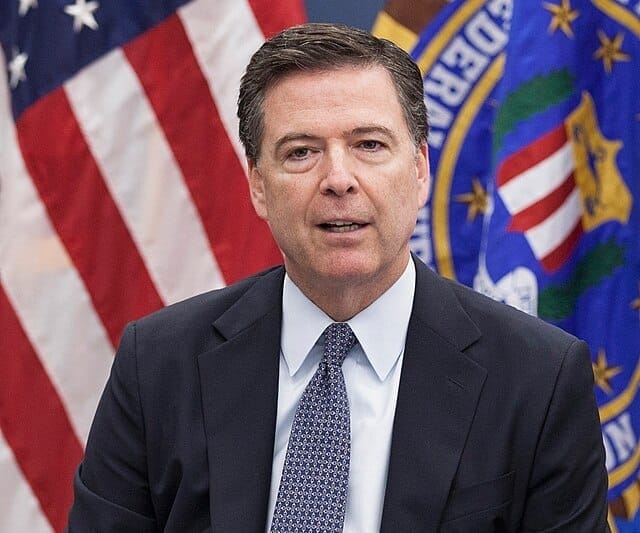
A landmark legal victory has been secured for former FBI Director James Comey and New York Attorney General Letitia James. U.S. District Judge Cameron Currie has ruled that the indictments against them, brought by Special Counsel Robert Mueller's successor, are unlawful because of a flawed appointment process orchestrated by then-Acting Attorney General Jeff Sessions. The decision to dismiss the charges is seen as a significant step towards restoring faith in the justice system and preventing political interference in legal proceedings.
Judge Currie found that former Attorney General William Barr's replacement of an interim U.S. attorney, Lindsey Halligan, was unlawful and undermined the established legal framework for such appointments. Halligan's actions directly impacted both Comey's and James' cases, leading to a cascade of consequences within the legal system.
The judge meticulously dissected Section 546, the law governing U.S. Attorney vacancies, establishing that her authority lay with the court. The judge also found that Halligan's appointment was not consistent with the statute, raising questions about the legality of her actions and potentially impacting other similar appointments. This ruling highlights a critical legal precedent that underscores the importance of adhering to established constitutional and statutory processes when it comes to judicial appointments, especially within sensitive cases like Comey and James' indictments.
The judge's decision was delivered swiftly, with both Comey and James expressing relief and gratitude for the swift resolution of their cases. Comey, who previously served as FBI Director under President Barack Obama, lauded the ruling as a "message" that President Trump cannot use the Department of Justice to target political opponents. James, on the other hand, continued her fight against alleged wrongdoings in New York, emphasizing the importance of standing up for truth and justice despite political pressure.
The decision's impact extends beyond individual cases. It has raised significant questions about the role of the Department of Justice under President Trump. Legal scholars have expressed concern that this precedent could affect future legal proceedings by challenging the existing framework for temporary appointments, particularly in high-profile cases involving politicians and public figures.
The Road Ahead:
This victory is a major step in restoring trust within the legal system following a period marked by controversial investigations and political interference. The case has garnered significant attention, leading to heightened scrutiny on potential conflicts of interest and partisan influence over legal proceedings.
However, challenges remain. The Department of Justice will appeal the ruling, highlighting their contention that Halligan's appointment was valid and within the scope of her authority as an acting attorney general. The court is expected to engage in a thorough review, potentially setting a precedent for future similar cases. The legal landscape around interim appointments for U.S. Attorneys remains unsettled and will likely continue to be debated for years to come.
The case has also sparked broader discussions about the influence of politics on legal proceedings and the potential dangers of unchecked power within the Justice Department.
What this means for the future:
The judge's ruling is a testament to the importance of following established legal processes and upholding constitutional norms. It serves as a critical reminder that in the pursuit of justice, integrity, transparency, and legal consistency are paramount. This case has ignited crucial conversations about the power dynamics within the Justice Department and the need for accountability in legal proceedings to ensure that our system of justice remains fair and impartial.
It is important to remember that this case represents a complex intersection of law, politics, and individual rights. As the legal process unfolds, it's essential to stay informed, engage in respectful dialogue, and support efforts towards upholding a just and ethical judicial system.


