
The Question of "Gold Standard" Science in a Time of Disinformation: A Deep Dive into How Government Policy Is Being Affected by Shifting Priorities
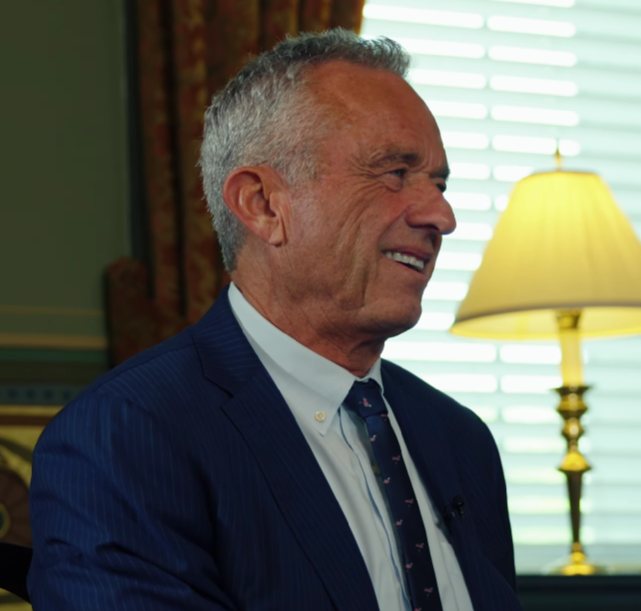
The tension between scientific evidence and political messaging has never been more evident. President Donald Trump, joined by his health secretary, Robert F. Kennedy Jr., frequently champions a “gold standard” approach to science, advocating for policies based on intuition and anecdotal evidence rather than robust research data. This clash of ideals is raising serious concerns about the future of scientific policymaking in America.
The discord between the rhetoric of the Trump administration and the established principles of "gold standard" science is particularly evident during a time when public health is under immense scrutiny. The Centers for Disease Control (CDC) recently made headlines by altering its website to contradict previous assertions regarding vaccines and autism, sparking outrage among experts who claim it has thrown scientific consensus into disarray. This decision serves as a stark reminder of the crucial need to prioritize reliable data over political agendas when crafting public health policies.
Several prominent figures within the Trump administration have echoed these sentiments, including Kennedy, whose views on vaccines and disease causation have been widely criticized by medical professionals. During a recent public address, Kennedy asserted that his assessment regarding autism and vaccines was rooted in "hunch," highlighting the concerning disconnect between scientific evidence and political messaging.
The issue is further exacerbated by the Trump administration's prioritization of anecdotal evidence over robust scientific research. This shift towards "gut feeling" when it comes to health policy has raised alarms among scientists who believe this approach undermines public trust and hinders progress in vital fields like medicine. The lack of scientific rigor has been particularly evident in the administration’s stance on vaccines, where the President's pronouncements have often defied established medical consensus while emphasizing anecdotal observations.
In addition to the ongoing debate surrounding vaccines, several other examples illustrate how this "gold standard" approach is impacting public health policy:
- Acetaminophen: President Trump, citing unverified claims, advised pregnant women against using acetaminophen. This recommendation was based on anecdotal evidence rather than rigorous scientific research and has been widely criticized by medical professionals who cite decades of robust research demonstrating the safety of this common pain reliever.
- Measles: The Trump administration's promotion of unproven treatments for measles has led to a surge in cases across the country, creating unnecessary health risks for vulnerable populations. This stance contradicts years of established scientific evidence highlighting the effectiveness of vaccination as a critical tool in combating measles outbreaks.
Despite these challenges, scientists and medical experts remain committed to advancing public health through rigorous research and open communication. They are actively working to build bridges between science and politics to ensure that effective public health policies are informed by accurate data and ethical scientific practices.
The current situation presents an unprecedented challenge, forcing the nation to confront a critical question: How do we balance the need for quick action based on intuition with the importance of relying on credible evidence when it comes to matters of public health? The answer lies in navigating a landscape where scientific knowledge is increasingly challenged by personal beliefs and political agendas.
This debate holds implications not only for the future of public health policy but also for the very foundations of scientific progress in America. As the nation navigates this complex terrain, one thing remains clear: the pursuit of scientific truth must remain at the forefront of any serious discussion on public health.


