
Trump and the Shadows: White House Fights Back as Sex Trafficker Emails Surface
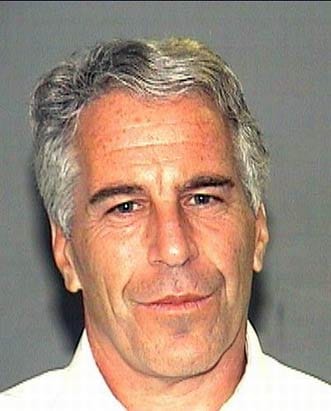
Amidst mounting questions about his past relationship with deceased pedophile Jeffrey Epstein, President Donald Trump has once again launched a fierce counteroffensive against accusations linked to the disgraced financier. The White House is pushing back hard on revelations of shocking new emails released by Congress and casting doubt on the former president’s claims of innocence. The latest bombshell documents from Epstein's estate offer a glimpse into a clandestine world of sex trafficking, power imbalances, and alleged criminal cover-ups – including one that casts Trump at the center of an uncomfortable narrative. In emails sent to Ghislaine Maxwell, Epstein's co-conspirator, he revealed troubling details about his encounters with various individuals – including Trump. The White House now seeks to discredit this information by unveiling the "victim" mentioned in those very emails: Virginia Giuffre, a former Mar-a-Lago employee whom Trump has publicly accused of being “stolen” from him by Epstein decades ago. The White House press secretary, Karoline Leavitt, claims that Giuffre has consistently maintained she has never encountered any wrongdoing from Trump and emphasizes the "clear distraction" these revelations are attempting to create against Trump's significant achievements. Leavitt further accuses Democrats of deliberately releasing these previously withheld emails and casting them as a fabricated narrative aimed at tarnishing Trump’s legacy. The White House is also using this incident as an opportunity to attack news outlets that are covering the unfolding story, labeling their reporting as “bad-faith efforts" meant to detract from Trump's political accomplishments. The White House response takes on new significance in light of recent events. As House Speaker Mike Johnson prepares to administer the oath of office to Rep.-elect Adelita Grijalva, a delay which Democrats have pointed to as a deliberate attempt by Trump loyalists to prevent her from joining the discharge petition to force the release of Epstein's files. This move comes as Congress grapples with a complex and controversial issue – whether or not to release the full extent of Epstein’s criminal case records, which remains shrouded in secrecy after a multi-year battle between Trump supporters and critics of his previous inaction. The White House maintains that releasing the full scope of the investigation would undermine "common sense" and instead focus on Trump's political legacy. However, this line of defense is far from convincing, given the weight of the released emails and their implications for a president who has repeatedly maintained his innocence in relation to Epstein. The emails, including one where Epstein describes Trump as “that dog that hasn’t barked,” offer startling detail into their interactions, leaving many wondering if these claims were truly meant to be kept hidden. In 2015, Epstein wrote to author Michael Wolff, stating that Trump "knew about the girls as he asked Ghislaine [sic] to stop," highlighting the complexity of this case and suggesting a connection between Trump’s inner circle and Epstein's alleged crimes. This revelation adds another layer to an already troubling narrative. As these emails continue to spark controversy, the public discourse surrounding Trump, his history with Epstein, and the implications for American politics will undoubtedly intensify. The White House is fighting back fiercely against accusations of wrongdoing, but whether they can silence the voices calling for transparency and accountability remains to be seen. The saga of Jeffrey Epstein, Donald Trump, and Virginia Giuffre continues to unfold, casting a long shadow over the halls of power in America's capital. The release of these emails provides an unprecedented window into a world shrouded in secrecy, prompting us to ask: how can we ensure justice is served while navigating the complexities of past actions and their lasting impact?


